How Do You Choose the Best travel neck pillow to Prevent Neck Pain During Long Trips
During long-distance travel, business trips, or outdoor camping, maintaining a fixed sitting position for an extended period can easily cause excessive stretching of local neck muscles, leading to acute myofascial pain or vertebral joint misalignment. Choosing a neck pillow with precise ergonomic support is a core factor in relieving neck fatigue and ensuring deep sleep. Different scenarios have completely different technical requirements for the material, density, and structural design of a travel neck pillow.
Neck Spine Stress Mechanisms and Solutions in Static Sitting Positions
On airplane or bus seats, the human head tends to tilt automatically when it lacks lateral support. Since an adult head weighs approximately 4.5 to 5.5 kilograms, the additional shear force on the cervical spine increases exponentially for every 15 degrees of tilt. Ordinary inflatable cushions on the market often fail to provide constant rebound resistance due to uneven internal air pressure.
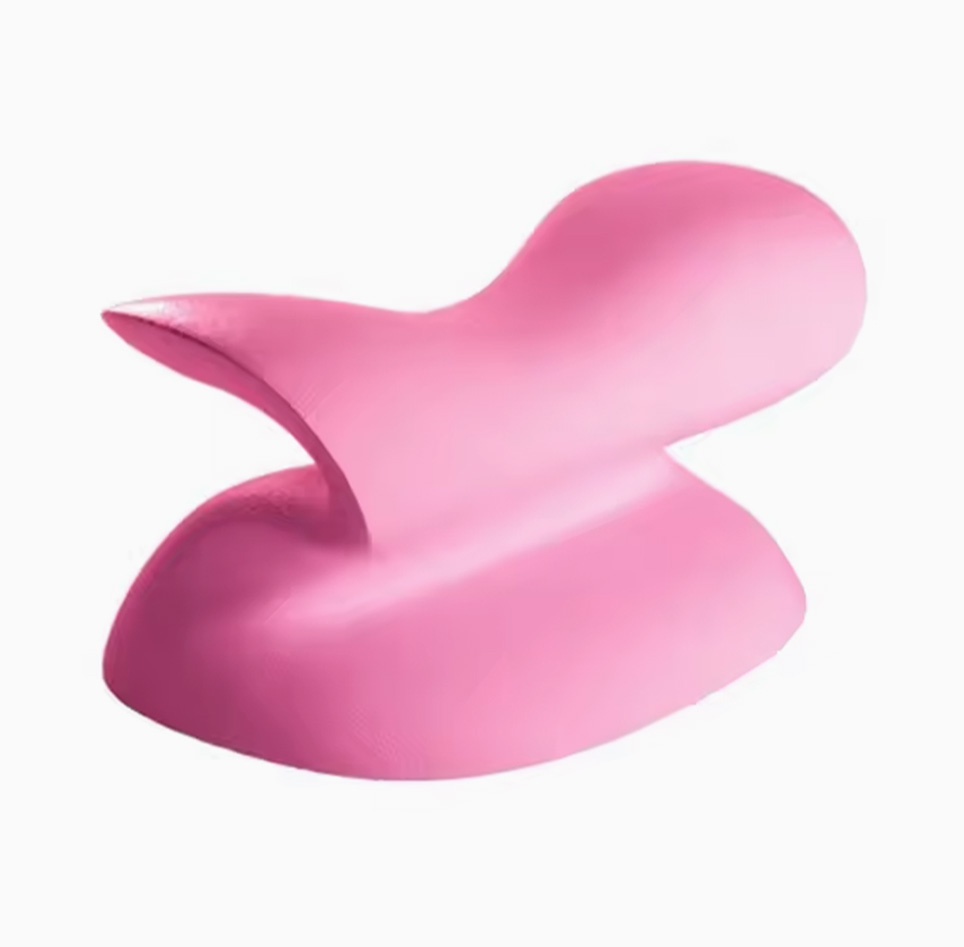
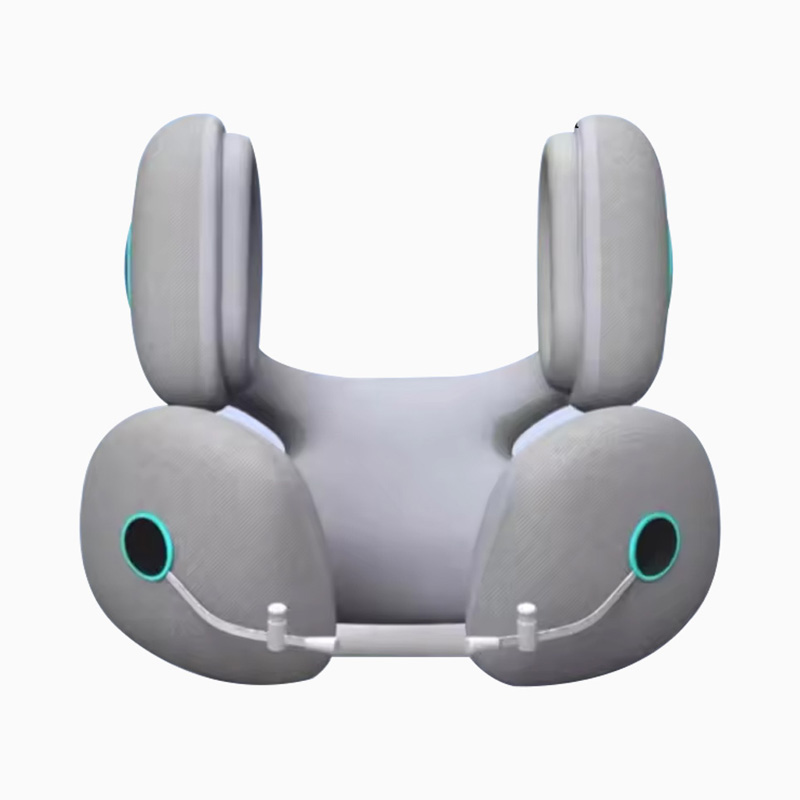
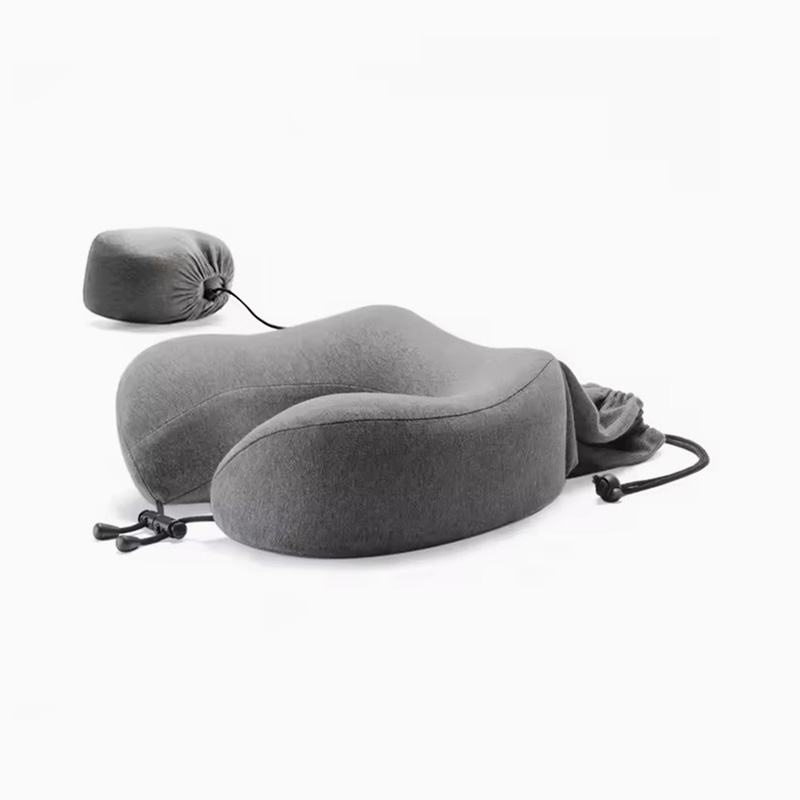
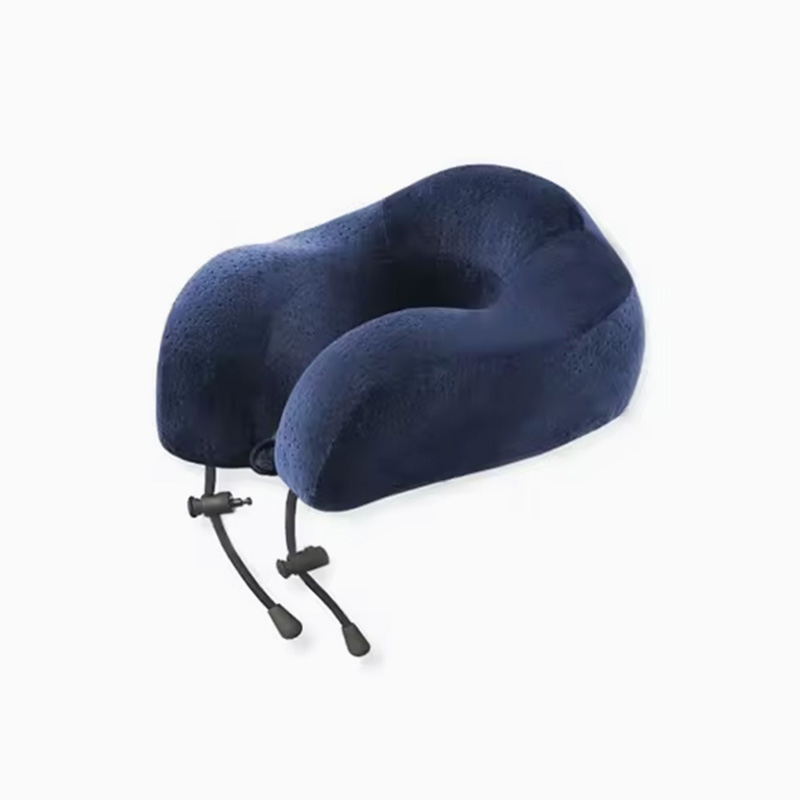
An excellent neck pillow for sleeping must feature a three-point support design: a lower recess at the rear occipital region to fit the base of the skull, and heightened sides to cradle the mandible, thereby evenly distributing head weight to the levator scapulae and trapezius muscles. For high-altitude flight environments, the back design of an airplane pillow should be as thin as possible to avoid pushing the head too far forward, ensuring the cervical spine maintains its natural physiological curvature (a forward arc of 35° to 45°).
Polymer Material Properties: Core Technical Indicators of memory foam travel pillow
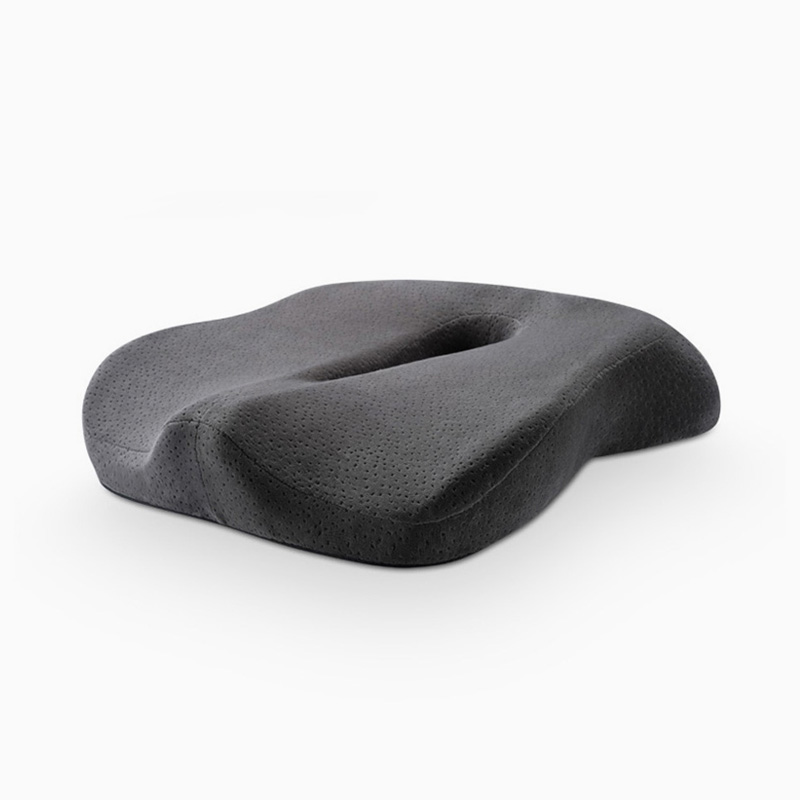
Among various filling materials, the memory foam travel pillow has become the market mainstream due to its unique viscoelasticity. High-density polyurethane memory foam can sense human body temperature and make micro-adjustments accordingly to achieve conformal deformation.
When the head rests on a memory foam travel pillow, the internal pores of the material are compressed, and air is slowly discharged, resulting in a zero-pressure rebound response. This characteristic effectively prevents numbness caused by localized vascular compression. For frequent business travelers, an airplane neck pillow specifically designed for cabins usually incorporates an open-cell breathable molecular structure to solve the physical defect of traditional memory foam, which easily traps heat and lacks ventilation.
Physical Parameter Comparison of Pillow Equipment in Core Travel Scenarios
To facilitate precise selection based on different travel needs, the core physical performance parameters of pillows designed for different scenarios are listed below:
| Parameter Indicators | Cabin-Focused (Airplane Focus) | Outdoor Lightweight (Camping Focus) |
| Typical Matching Products | airplane neck pillow / travel pillow | camping pillow / travel neck pillow |
| Core Filling Material | 50D-60D High-Density Polyurethane Memory Foam | Composite TPU Elastic Airbag + Surface Micro-Fleece Coating / Down Interlayer |
| Deformation Response Mechanism | Viscoelastic Thermo-Sensitive Slow Rebound (3 to 5 seconds) | Air Pressure Uniform Force Feedback / Compressed Self-Inflation |
| Static Compression Ratio | 1:3 Extremely High Support Capacity | 1:4 to 1:6 Highly Adjustable |
| Storage Volume and Weight | Approx. 300g - 450g, Roll-up Storage | Approx. 80g - 150g, Palm-sized Storage |
| Core Functional Focus | 360-degree Dynamic Anti-Roll, Absorbs Low-Frequency Cabin Vibrations | Extreme Lightweight, Moisture-proof, Wear-resistant, Easy to Clean in the Field |
Performance Extension of Pillow Equipment in Outdoor Camping Environments
Unlike static cabin sleep, outdoor tent environments impose stricter weather-resistance requirements on pillows. A camping pillow must not only solve head support issues but also possess excellent moisture resistance and thermal resistance values (R-value).
In environments where ground moisture rises, ordinary cotton or low-density sponges easily absorb water and deliquesce, causing thermal performance to drop sharply. Modern outdoor specialized support pillows mostly use high-barrier TPU composite fabrics combined with a honeycomb airbag array design. This not only drastically reduces storage volume but also allows users to freely adjust the height and firmness of the pillow body by regulating air volume, meeting the cervical spine alignment requirements of different sleeping positions such as side and back sleeping.
Scientific Maintenance and Ergonomic Usage Adjustments
Whether used as an airplane pillow for long-haul flights or a general-purpose neck pillow, the wear resistance of the outer cover and its anti-mite and anti-sweat properties directly affect service life. High-quality fabrics usually incorporate silver ion antibacterial technology and support removable washing.
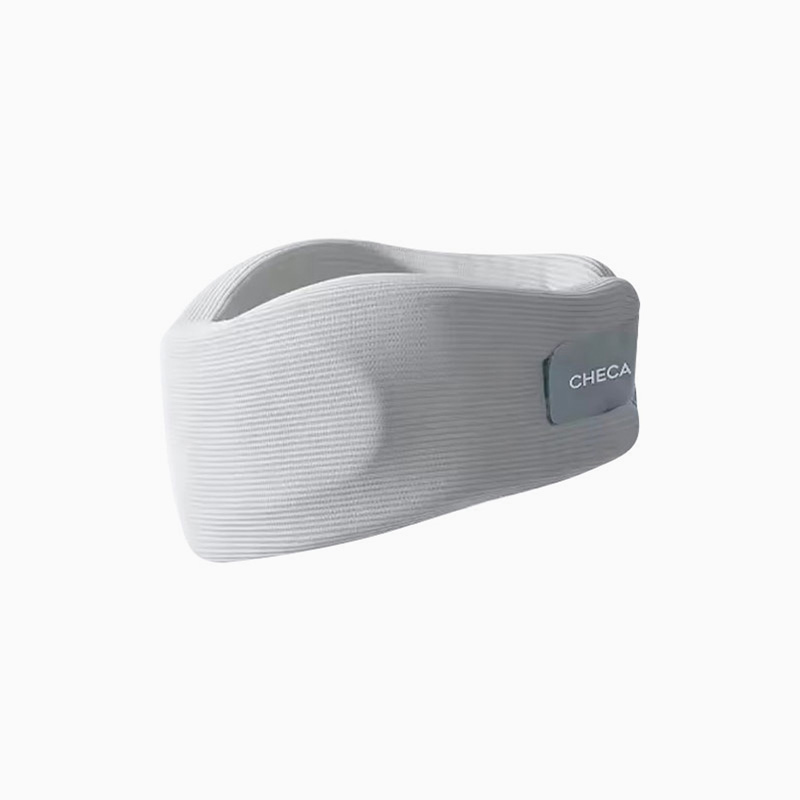
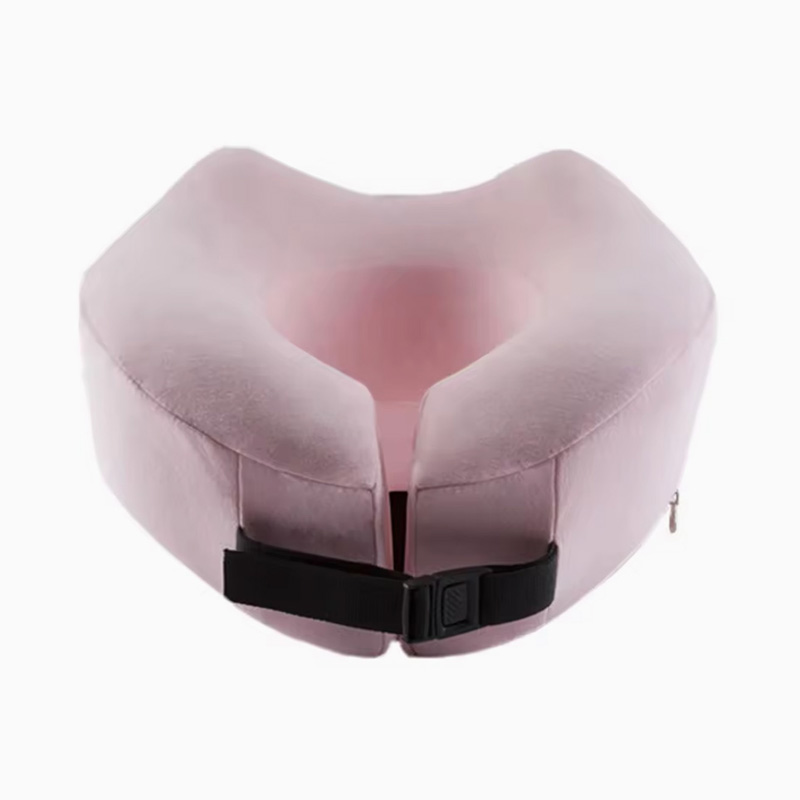
When actually using a travel neck pillow, ensure that the mandible is fully supported by the side wings and that the rear straps or fasteners are adjusted to a moderately tight state to prevent the pillow from shifting during sleep. Correctly utilizing a high-quality neck pillow for sleeping can significantly extend deep sleep cycles and effectively relieve muscle tension and soreness caused by long-distance bumps and vibrations, allowing individuals to maintain abundant energy for every journey.
 postarea anterioară